
Loading...
Serving Green Bay, WI and surrounding areas. (920) 932-4097
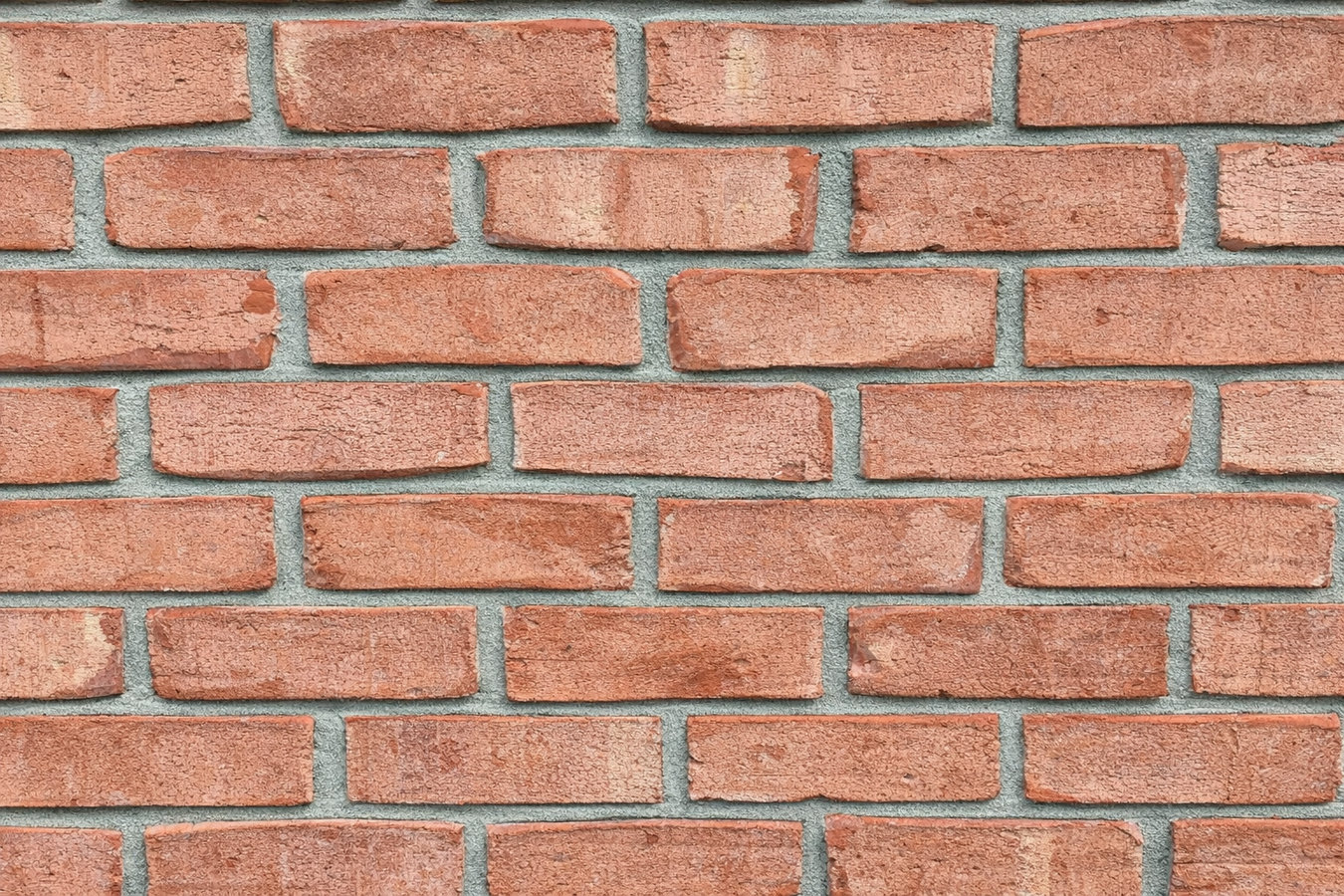
Crumbling mortar joints open your brick walls to every freeze-thaw cycle Green Bay throws at them. We remove the old material, pack in matched mortar, and leave your wall tight before the cold arrives.
Tuckpointing in Green Bay, WI means removing deteriorated mortar from brick or stone joints and packing in a fresh, matched mix - most residential jobs take one to three days and restore the wall to its original weather-shedding performance. Mortar is intentionally softer than the bricks around it so it absorbs stress and movement instead of letting the bricks crack. When that mortar wears out, your walls start taking on water they were never meant to handle.
In Green Bay, the problem moves faster than most homeowners expect. The city averages more than 100 freeze-thaw cycles per year, and each one works a little more moisture deeper into a failing joint. Catching deteriorating mortar early is almost always cheaper than waiting - and it keeps the job in tuckpointing territory instead of brick repair.
The Brick Industry Association notes that well-done repointing can protect a wall for 25 to 30 years - but only when the mortar mix matches the hardness and flexibility of the existing material.
Press firmly on the mortar between your bricks. Healthy mortar feels like concrete - it should not give. If it flakes, crumbles, or dents under light pressure, it has lost its integrity and water is already getting in.
Stand back and look at your brick walls. If you can see dark lines, open gaps, or mortar that has recessed noticeably deeper than surrounding joints, water is already entering. In Green Bay, even small gaps accelerate into serious damage once winter freeze-thaw cycles begin.
That white powdery residue - called efflorescence - is mineral salt being carried to the surface by moisture moving through the wall. It is not dangerous on its own, but it is a reliable indicator that water is getting in through failing mortar joints.
Water staining, peeling paint, or damp patches on interior walls that back up to exterior brick mean moisture has already made it through the wall. Green Bay's wet springs and lake-effect moisture make this progression faster than in drier climates - interior dampness near brick warrants a same-season call to a mason.
Our tuckpointing work covers brick walls, chimneys, stone walls, retaining structures, and any masonry surface where mortar joints have deteriorated. We cut out the old material to a consistent depth - typically about three-quarters of an inch - pack in fresh mortar, and tool each joint to match the existing profile. The result looks like the wall did when it was new, and it performs that way too.
When damage has moved past the mortar and into individual bricks, we handle brick repair and replacement as part of the same visit. For chimney joints that need the joint profile restored alongside fresh mortar, brick pointing brings the finished appearance into line with the original. We assess the full scope before any work begins, and the written estimate reflects exactly what is included - no add-ons after the fact.
Ideal for brick homes with mortar that has weathered past its serviceable life across one or more wall faces.
Best suited for chimneys showing recessed, dark, or crumbling joints - the most weather-exposed masonry on any home.
Good fit for walls where deterioration is limited to specific sections or isolated areas rather than the full surface.
Green Bay averages more than 100 freeze-thaw cycles per year - one of the highest rates in the Midwest. Every time water trapped in a failing joint freezes, it expands and pushes the crack a little wider. Walls on the north and east sides of homes here face prevailing moisture off the bay and see this cycle hardest. The city also has a large share of homes built before 1960, where the original lime-based mortar has often reached the end of its useful life without ever being replaced. If your home is more than 60 years old, the original mortar may never have been touched.
Homeowners in Allouez and De Pere - where older brick homes are common - often call us after noticing that the same spots seem to crack every spring. The pattern usually traces back to soil movement combined with mortar that was never properly matched when last repaired. Wisconsin also requires residential contractors to be registered with the state Department of Safety and Professional Services - you can verify any contractor in two minutes at the Wisconsin DSPS license lookup.
We respond within 1 business day. You tell us what you are seeing - crumbling mortar, gaps, staining - and we schedule a free on-site visit. No price over the phone; we need to see the wall.
A mason walks the wall, tests mortar depth, and checks for any brick damage. You get a written estimate before anyone picks up a tool - no surprise add-ons mid-project.
We cut old mortar to a consistent three-quarters-inch depth, mix a batch matched to your wall's existing material, and pack each joint by hand. The wall is tooled to match the original joint profile.
Fresh mortar needs five to seven days to cure. We walk the completed job with you before leaving - address any concerns on the spot. Avoid pressure-washing or sprinklers on the new joints during the curing window.
We respond within 1 business day. There is no obligation - just a straight conversation about what your wall needs. After you submit, someone from our office will call to schedule a free on-site estimate at a time that works for you.
(920) 932-4097We test the existing mortar before mixing new material. Using a batch that is too hard can crack the bricks over time - a common mistake on older Green Bay homes. The right mix matters as much as the application.
You receive a detailed written estimate covering the full scope of work before the job starts. No mid-project surprises, no pressure to approve add-ons. You stay in control from the first call to the final walkthrough.
Wisconsin requires residential contractors to be registered with the state Department of Safety and Professional Services. We are registered, insured, and encourage you to verify before signing anything - it takes two minutes at the DSPS site.
We have worked on brick homes, chimneys, and masonry structures across Green Bay and surrounding communities for years. We know what Green Bay winters do to mortar and how to fix it to last through them.
Our work is designed to last through Green Bay winters - not just look good in July. If you want to know what we found and what we recommend before committing to anything, that conversation starts with a free on-site visit.
Spalled or cracked bricks need more than fresh mortar - matched brick replacement restores your wall for decades.
Learn MoreBrick pointing refreshes the joint profile and color so your repaired wall looks consistent from edge to edge.
Learn MoreEvery season you wait with failing mortar is another season of freeze-thaw damage working deeper into your wall - call today for a free estimate.