Loading...
Serving Green Bay, WI and surrounding areas. (920) 932-4097
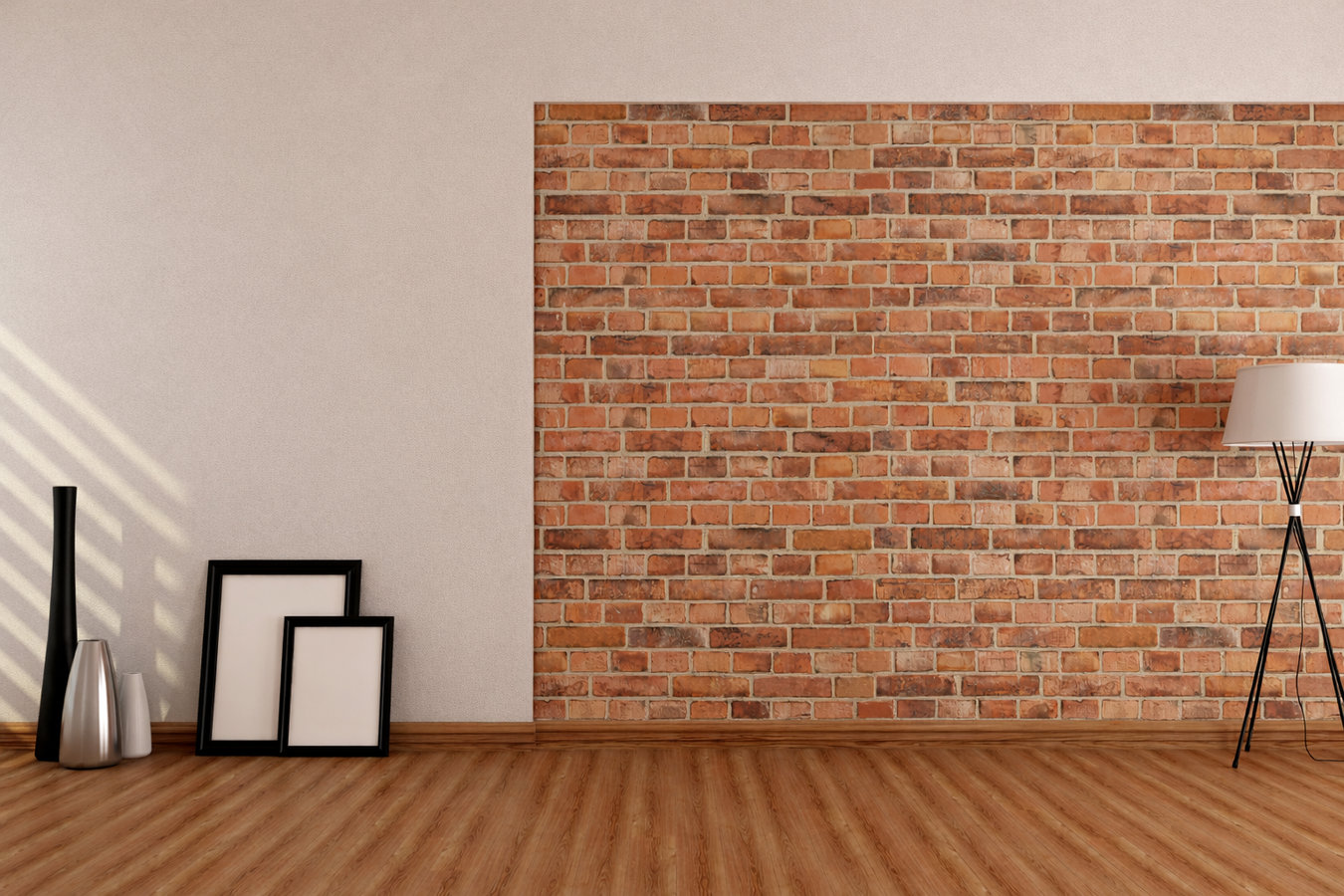
A brick wall that leans or cracks after a few Green Bay winters was never built with the right footing - we start below the frost line and build up from there.
Brick wall installation in Green Bay starts below ground - with a concrete footing poured below the frost line - and builds up one course at a time using brick bonded in mortar selected for this climate. Most small to mid-size residential projects take one to three days for the brickwork, plus time for the footing to cure and, when required, a city inspection before laying begins.
Green Bay's freeze-thaw cycle is hard on any masonry structure built with a shallow footing. The clay-heavy soils common across Brown County expand when wet and contract when dry, adding extra stress on footings that were not designed for the local conditions. A mason with experience in this area knows to account for soil movement, not just frost depth, when sizing and reinforcing the footing.
When the existing brickwork on your home or yard also needs cleaning up or repointing, our brick repair service can address deteriorating joints and individual damaged units as a separate project or alongside new wall installation.
Stand back and look at the wall from a distance. If it is tilting away from vertical, or if you can see cracks running diagonally through the bricks or along the mortar lines, the wall has likely shifted - possibly because the footing was not deep enough to handle Green Bay's freeze-thaw cycles. A leaning wall is a safety concern, and the longer you wait, the more of it will need to be rebuilt.
Run your finger along the mortar joints on an older wall. If the mortar crumbles away easily, sounds hollow when you tap it, or has gaps where it has fallen out, water is getting in. In Green Bay's winters, that water freezes, expands, and pushes the joints apart further with every cold snap. Catching this early means you may only need repointing - waiting can mean a full rebuild.
If water collects along your foundation wall after a rainstorm, a properly built brick grade wall can redirect that drainage away from your home. Green Bay's spring thaw and heavy summer rains push a lot of water toward foundations, especially in neighborhoods where the grade has shifted over the years. A well-placed masonry wall is one of the more durable long-term solutions for managing that flow.
If you are building a patio, enclosing a garden, or adding a permanent outdoor feature and want a defined brick border, a new wall installation makes the project look intentional and keeps the hardscape contained. Many Green Bay homeowners in established neighborhoods choose brick because it matches the character of older homes and holds up far better than wood fencing in this climate.
We build brick walls for Green Bay homeowners - decorative garden borders, low retaining walls, privacy screens, and grade walls that redirect drainage away from a foundation. Every project starts with a footing poured to the depth Green Bay's frost line demands, using mortar matched to above-grade or below-grade application as needed. For homeowners who want a natural stone look alongside or instead of brick, our stone masonry service offers the same frost-depth construction approach in a different material.
We handle permit applications with the City of Green Bay's Building Inspection Division when required - a city inspector checks the footing before bricklaying begins, giving you independent documentation that the foundation of your wall was built correctly. You receive a written, itemized proposal covering materials, labor, and permit fees before any work starts.
Best for homeowners who want a permanent, low-maintenance border around a garden, patio, or yard feature that does not rot, rust, or blow over in a Lake Michigan windstorm.
Best for homeowners who want a solid, permanent visual barrier that holds up through decades of Green Bay winters without painting, staining, or board replacement.
Best for homeowners dealing with water that pools against the foundation or runs toward the house from a slope - a properly placed brick wall redirects flow before it causes damage.
Best for homeowners with brick homes built in the 1920s through 1960s who need a new wall that matches the existing brick color, texture, and mortar - so the addition looks like it was always there.
Green Bay sits in a climate zone where the ground can freeze to a depth of roughly 48 inches in a hard winter. Any brick wall footing that does not reach below that line will be pushed up and pulled down each season by frost heave, cracking the wall above it over time. That added excavation depth is not a standard line item in national pricing guides, which is one reason bids from out-of-area contractors sometimes look lower than local ones. A short footing is a shortcut that will cost significantly more to repair later. Beyond frost depth, the clay-heavy soils common in Brown County hold water and move more than sandy soils, which is another reason footing sizing and reinforcement need to account for local ground conditions specifically.
A significant share of Green Bay's residential neighborhoods were built between the 1920s and 1960s, when brick was a standard building material. Homeowners in these areas often need new walls that genuinely match the existing brick on their home - in color, texture, mortar shade, and coursing pattern. That matching work takes sourcing effort and skill that a mason who does not regularly work in older Green Bay neighborhoods may not prioritize. We serve the full metro area, including Allouez and De Pere, where the older housing stock and brick character of established neighborhoods are a regular part of the work we do.
Tell us what kind of wall you want - roughly how long, how tall, and whether there is existing brick involved. We will schedule a property visit because site conditions affect the scope significantly. After the visit you receive a written estimate breaking down labor, materials, and any permit costs. You should not feel pressured to sign anything at that meeting.
For most brick walls in Green Bay that exceed a modest height or sit near a property line, we apply for a building permit through the City of Green Bay's Building Inspection Division before work begins. We handle this paperwork - confirm it is in your contract. The permit process adds a few business days to the timeline, which is worth building in, especially for spring projects.
We excavate below Green Bay's frost line - at least four feet - and pour a concrete footing sized for the wall above it. In many cases a city inspector reviews the footing before bricklaying can begin. This step is not visible once the wall is finished, but it is the most important work we do on the project. We reply within one business day on any scheduling or inspection questions.
Once the footing is cured and approved, we lay brick course by course, checking level and plumb constantly. When the last course is set, we tool the mortar joints to shed water cleanly, remove all materials and debris, and walk you through the finished wall. Fresh mortar needs about 28 days to reach full strength - we tell you what to avoid in the meantime.
No obligation - we assess the site, give you a clear number, and let you decide.
(920) 932-4097We dig to at least four feet below grade - below Green Bay's frost line - before any footing is poured. That is not negotiable, and it is not an upsell. It is the only way to prevent the wall from heaving, cracking, and leaning after the first few winters. Any contractor who does not bring up frost depth during the estimate is cutting the corner that matters most.
A large share of Green Bay's older neighborhoods were built when brick was the standard exterior material. When you need a new wall to match an existing chimney, foundation border, or home exterior, we take the time to source brick and mortar that genuinely match - in color, texture, and coursing. A wall that looks like it belongs on your property is the goal, not one that just looks like a brick wall.
We handle the permit application with the City of Green Bay Building Inspection Division, coordinate the footing inspection, and provide copies of all permit records when the job is done. That documentation matters when you sell your home. We have been through this process many times in Green Bay and know what inspectors look for.
Our masonry work follows the standards set by the Brick Industry Association - the primary technical authority on brick construction in North America. Those standards cover everything from mortar selection to footing sizing to joint finishing, and they are why a well-built brick wall lasts decades rather than years.
The combination of correct footing depth, proper mortar selection, and quality brick sourcing is what separates a wall that stands for 50 years from one that needs repair in five. The Brick Industry Association sets the technical standards our crews follow on every project, and Wisconsin DSPS contractor registration means you can verify our standing with the state before any work begins.
Natural and cut-stone walls for homeowners who want the durability of masonry construction with a different aesthetic than traditional brick.
Learn MoreTargeted repair for existing brick walls where individual units or mortar joints have deteriorated, without the cost of a full rebuild.
Learn MoreLocal masons book up fast once the season opens - reach out now to secure your spot and have your wall done before summer.