
Loading...
Serving Green Bay, WI and surrounding areas. (920) 932-4097
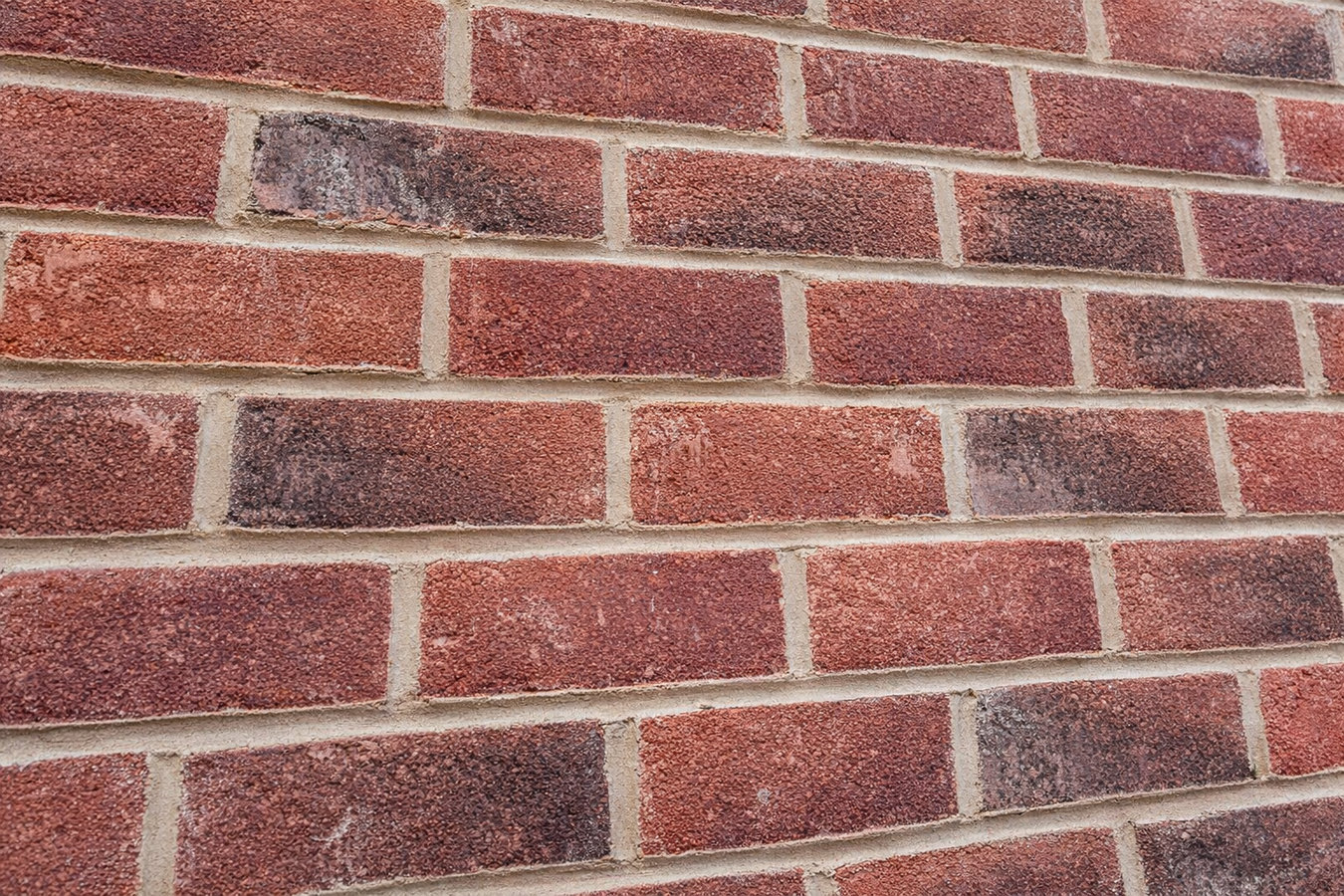
Crumbling mortar joints let water in, and Green Bay winters turn that water into ice that forces the joint wider every cold snap - we replace the mortar and seal it before the damage spreads.
Brick pointing - also called repointing - is the process of removing old, crumbling mortar from between your bricks and packing in fresh material. The bricks themselves stay in place; only the filler between them is replaced. A typical chimney job takes one to two days. A full exterior wall on a two-story home can take three to five days, and mortar work must be done when temperatures are reliably above freezing - a window in Green Bay that runs roughly from late April through October.
Green Bay averages around 140 freeze-thaw cycles per year. Every one of those cycles pushes water into tiny mortar cracks, freezes it, and forces the gap a little wider. Mortar on Green Bay homes deteriorates faster than it would in milder climates - which is why inspecting brick every few years is genuinely useful here, not just a contractor upsell. Catching failing mortar early, when the bricks are still solid, almost always costs far less than waiting until the damage requires structural repair.
When joints are crumbling on a chimney or exterior wall and the bricks themselves are also showing wear, our foundation repair team can evaluate whether any underlying structural issues are contributing to the mortar failure before repointing begins.
Run your finger along the joints between bricks. If the mortar feels soft, crumbles away easily, or sits noticeably lower than the brick face, it needs to be replaced. Healthy mortar should feel hard and sit flush or only slightly recessed - not scooped out or granular. In Green Bay's climate, this kind of deterioration tends to accelerate once it starts.
Those white marks are efflorescence - mineral salts left behind when water moves through the wall and evaporates on the surface. In Green Bay's wet springs and freeze-thaw winters, this is a common early warning sign that moisture is getting into the mortar joints. It does not mean the wall is failing yet, but it does mean a water pathway is open and worth closing before winter returns.
After a hard Green Bay winter, check your gutters and the roof near the chimney. If you find chunks of mortar or sandy grit that was not there before, the winter did real damage. Chimneys are especially vulnerable because they are fully exposed on all four sides and the top catches the worst of both rain and freeze-thaw cycles every season.
If you notice water staining, damp patches, or a musty smell near an exterior brick wall or your fireplace after heavy rain, failing mortar joints are a likely entry point. Water does not need a big gap to get in - even hairline cracks in the mortar can let enough moisture through to cause interior damage and mold growth over time.
We repoint chimneys, exterior walls, foundation courses, and interior fireplace surrounds for Green Bay homeowners. The process is the same for all of them: we grind or chisel out the old mortar to a consistent depth - typically three-quarters of an inch - pack in fresh mortar by hand, tool the joints to match the existing profile, and clean the brick face as we go. For homeowners with older homes who also need decorative mortar work to refresh the appearance as well as seal the joints, our tuckpointing service applies two contrasting mortar colors that replicate the classic look while sealing the structure.
Mortar matching is one of the most important parts of the job on any older Green Bay home. We assess the hardness and color of your existing mortar before selecting the replacement material. Using mortar that is too hard for an older brick wall can crack the bricks themselves over time because it does not flex the way the original material did. A finished job should look like it was always there - not a visible patch in a different color sitting proud of the surrounding wall.
Best for homeowners whose chimney mortar is visibly crumbling, has lost material at the crown, or has put debris in the gutters after a hard winter.
Best for homeowners with a full or partial brick exterior where joints on one or more sides of the home have deteriorated and need to be replaced before water finds its way in.
Best for homeowners where the mortar at ground level has been damaged by moisture, lawn equipment, or freeze-thaw movement and needs to be repacked and sealed.
Best for homeowners with an interior masonry fireplace where joints have crumbled or cracked and may be allowing air infiltration or moisture behind the surround.
Green Bay's 140-plus freeze-thaw cycles per year make this one of the most demanding climates for mortar in the Midwest. Mortar is intentionally softer than the brick it surrounds - it is designed to absorb movement and moisture so the bricks themselves do not crack. When the mortar fails and water gets in, each freeze-thaw event widens the gap a little more. Homes on the east and northeast sides of the city - closer to Green Bay the body of water - often see mortar wear appear earlier on east-facing walls because of moisture-laden winds off the bay. If your home faces in that direction, those walls are worth checking first. Clay-heavy glacial soils across Brown County also contribute by shifting more than sandy soils, which puts additional stress on mortar joints over time.
A large share of Green Bay's neighborhoods were built between the 1920s and 1960s. Mortar from that era was often lime-based and softer than modern mixes - which is actually an advantage, because it was designed to flex with the building. Replacing it with a harder modern product can cause cracking that is worse than the original problem. We work regularly on older homes throughout the area, including Allouez and De Pere, where pre-1960 brick homes are common and mortar matching is a standard part of every pointing job.
Tell us where the problem is, how old the home is, and whether you have noticed any water getting in. We respond within one business day. Spring books up fast in Green Bay once the weather cooperates - calling early keeps you ahead of the season rush.
A mason will visit your property, examine the mortar joints closely, check how deep the damage goes, and assess whether any bricks are compromised. You receive a written estimate that explains what needs to be done and why - not just a total number.
You do not need to leave home. Clear furniture or planters from the work area. The crew handles scaffolding or ladder setup for chimneys and upper walls. Expect noise from grinding tools - similar to a loud drill - but minimal dust since the work is exterior.
At the end of the job, we clean up debris and walk you through the finished work so you can see exactly what was done. Fresh mortar needs to stay dry for at least 48 hours and should not be pressure-washed for several weeks. We tell you exactly what to avoid and for how long.
Free on-site estimate. Written price before any work starts. No obligation.
(920) 932-4097The biggest risk in repointing an older home is using mortar that is too hard for the brick. We assess the existing material before selecting the replacement mix - in hardness and color - so the new joints flex correctly and look like they belong. A finished job should be nearly invisible unless you know where to look.
Mortar applied in near-freezing conditions does not cure properly and will fail within a winter or two. We work within Green Bay's reliable masonry window - late April through October - and pay attention to the forecast before starting, because temperature at night matters as much as daytime highs during the curing period.
The National Park Service Preservation Briefs provide the most widely respected guidance on repointing historic masonry. For Green Bay homes built before 1960, following those principles - especially around mortar hardness and depth of removal - is the difference between a repair that holds and one that damages the brick.
We provide a written, itemized estimate that explains the scope of work and the total cost before anything starts. If something unexpected comes up during the job - a section of wall that is more deteriorated than it looked from the outside - we talk to you before proceeding, not after.
Brick pointing done correctly in Green Bay means accounting for the climate, the age of the home, and the specific character of the existing brick - not just filling the joints and moving on. That attention to the details is what makes the work last.
Structural repair for Green Bay foundations where water intrusion or frost movement has caused cracking, settlement, or wall failure.
Learn MoreA more decorative form of mortar joint repair that applies two-tone mortar to restore or refresh the appearance of brick as well as sealing the joints.
Learn MoreCall us today or submit a free estimate request online. Spring crews book up fast once the weather turns, and waiting means one more winter of freeze-thaw damage.