
Loading...
Serving Green Bay, WI and surrounding areas. (920) 932-4097
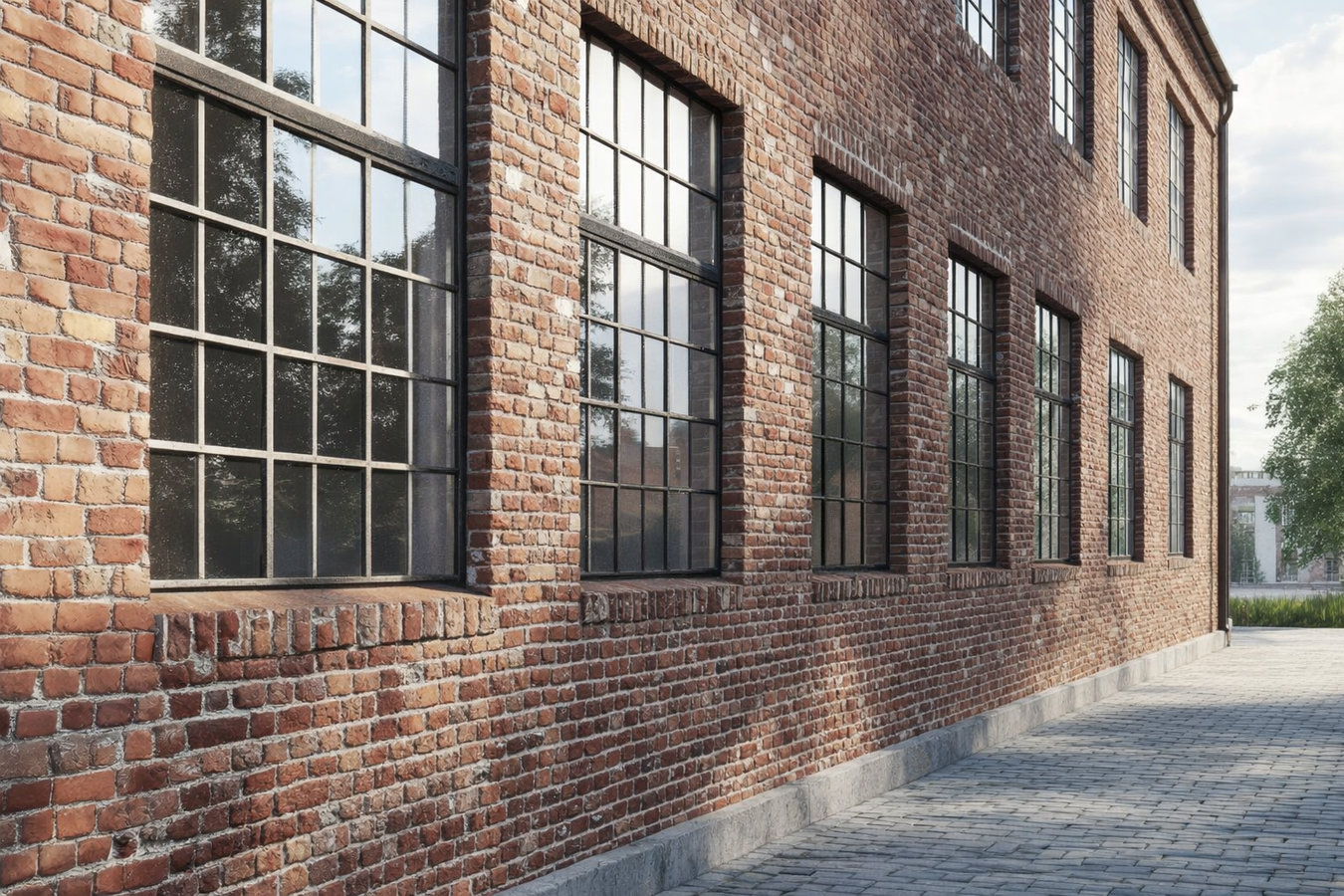
Crumbling mortar, spalled bricks, and water stains are signs your masonry needs attention before another Wisconsin winter makes things worse. We assess the damage, match the materials, and restore your walls to a watertight finish.
Masonry restoration in Green Bay covers the full range of repairs that bring brick, stone, or block structures back to a sound, water-resistant condition - from replacing worn mortar joints to swapping out damaged bricks, most residential jobs are completed in one to five days depending on the scope. The mortar joints between your bricks do most of the heavy lifting - they hold everything together and keep moisture out. Once they crack, recede, or fall out, your walls start absorbing water they were never meant to handle.
Many homeowners in Green Bay assume damaged brick has to be torn out and rebuilt. In most cases, a skilled mason can repair what is there - saving money and preserving the original look of your home. The key is catching problems before water has a chance to penetrate deep into the wall, which in Green Bay's climate happens faster than most people expect. When damage goes beyond the mortar into individual bricks, that moves into more involved masonry work that we also handle.
The National Park Service Preservation Briefs are the benchmark reference for historic masonry repair - and a key point they stress is that using the wrong mortar type on older homes causes more damage than it fixes. That is a detail we take seriously on every job.
Walk up close to your brick walls, chimney, or steps and look at the lines between the bricks. If the mortar looks recessed, crumbly, or comes loose when you press on it, it needs to be replaced. In Green Bay, this kind of wear accelerates after hard winters - a spring walkthrough of your exterior is a smart annual habit.
Those white or grayish streaks are called efflorescence - they happen when water moves through the masonry and carries dissolved salts to the surface. It is not just cosmetic. It is a sign that water is getting into your wall, and in a climate with Green Bay's freeze-thaw cycles, that water will eventually cause real structural damage if left unaddressed.
When the face of a brick starts to flake off in thin layers or develop a rough, pitted texture, that is called spalling. It usually means water got inside the brick and froze, breaking the surface apart from the inside. Once a brick starts spalling it absorbs water even more easily, so the damage compounds over time - especially on older Green Bay homes that have been through decades of harsh winters.
Hairline cracks in mortar joints are normal aging. But cracks running diagonally through the bricks themselves, or gaps opening up at corners, are worth having a mason look at. In Green Bay, where clay soils can shift seasonally, these patterns sometimes indicate ground movement is involved - and that is something to understand before it gets worse.
Our masonry restoration work covers repointing worn mortar joints, replacing individual damaged or spalled bricks, cleaning efflorescence and staining, and stabilizing walls where movement or settling has caused cracking. Every job starts with an honest assessment of how far the damage has gone - surface repairs are handled differently than walls where water has penetrated deep into the structure. When surface conditions point to chimney or fireplace issues, fireplace installation and rebuild work is also part of what we do.
For homes where the stone elements need attention alongside the brick, our stone masonry team handles natural stone walls, chimneys, steps, and veneer alongside the brick restoration work - so you get one crew, one estimate, and one visit rather than coordinating multiple contractors for related repairs on the same structure.
Best for walls and chimneys where the mortar joints have worn down, receded, or cracked but the bricks themselves are still intact.
Suited for walls with spalled, chipped, or structurally failed bricks that need to be removed and replaced with a close visual match.
Ideal for older Green Bay homes where mortar, brick condition, and water infiltration all need to be addressed together in a single project.
Green Bay averages more than 100 freeze-thaw cycles per year - meaning temperatures swing above and below freezing throughout fall, winter, and spring. Every cycle works a little more moisture into any failing mortar joint or brick crack, expanding it from the inside out. The city also has a large share of homes built before 1960, where the original lime-based mortar was designed to flex and absorb movement rather than resist it. Using the wrong replacement mortar on these older homes - one that is harder than the original - can crack the original bricks rather than protect them. That is a detail that changes how a skilled mason approaches every repair on a pre-1960 structure.
Parts of the Green Bay area also sit on clay-heavy glacial soils that expand when wet and shrink when dry. That seasonal movement puts stress on masonry foundations, retaining walls, and chimneys over time. Homeowners in Allouez and De Pere - where older brick neighborhoods are common - often find that the same cracks reopen each spring because the soil movement underneath was never factored into the original repair. A thorough on-site assessment before work begins is the only way to know whether you need a surface fix or something more involved.
We respond within 1 business day. Tell us where the damage is - crumbling mortar, white staining, spalling brick, cracks - and we schedule a free on-site visit. Spring is our busiest season, so earlier is better for scheduling flexibility.
A mason walks your property, looks closely at the affected areas, and assesses how deep the damage goes. You receive a written estimate that explains what work will be done and the total cost - no vague line items and no add-ons after the fact.
The crew removes old, damaged material carefully - using hand tools or small grinders - to avoid disturbing surrounding bricks. Fresh mortar is mixed to match your wall, packed into each joint, and tooled to match the existing profile. Any brick replacements are sourced for a close visual match.
The work area is cleaned before the crew leaves. A mason walks the completed job with you and explains curing requirements - typically 24 to 48 hours before the repaired area should get wet. In late-season work, we advise on protecting the new mortar before the first freeze.
Free on-site estimate, written quote before any work begins, no obligation.
(920) 932-4097Older Green Bay homes were built with softer lime-based mortar that must be matched in any repair. Using the wrong type damages the original bricks over time. We identify your wall's composition before mixing anything so the repair works with your home, not against it.
Every job comes with a written scope and price before anyone picks up a tool. The estimate covers labor, materials, and any brick replacement needed - so you can make a real decision with real numbers. No surprises mid-project.
Wisconsin requires residential contractors to be registered with the state Department of Safety and Professional Services. We are registered and carry liability insurance. You can verify our standing at the Wisconsin DSPS contractor lookup before signing anything.
As a local masonry contractor, we work on homes across Green Bay and the surrounding communities. We understand the local soil conditions, the freeze-thaw patterns, and the older housing stock in neighborhoods near downtown and the Fox River. That local knowledge shapes how we assess and price every job.
Every one of these points comes back to the same thing: you should know exactly what you are getting before any work begins on your home. That is how we operate on every masonry restoration job in Green Bay, regardless of size.
Add a wood-burning or gas fireplace to your home - built to perform through Green Bay winters, not just look good on day one.
Learn MoreNatural stone walls, steps, and features built to stand up to Wisconsin weather and complement your home's character.
Learn MoreGreen Bay masons book up fast in spring and summer - reach out now to lock in your spot before the season fills.