Loading...
Serving Green Bay, WI and surrounding areas. (920) 932-4097
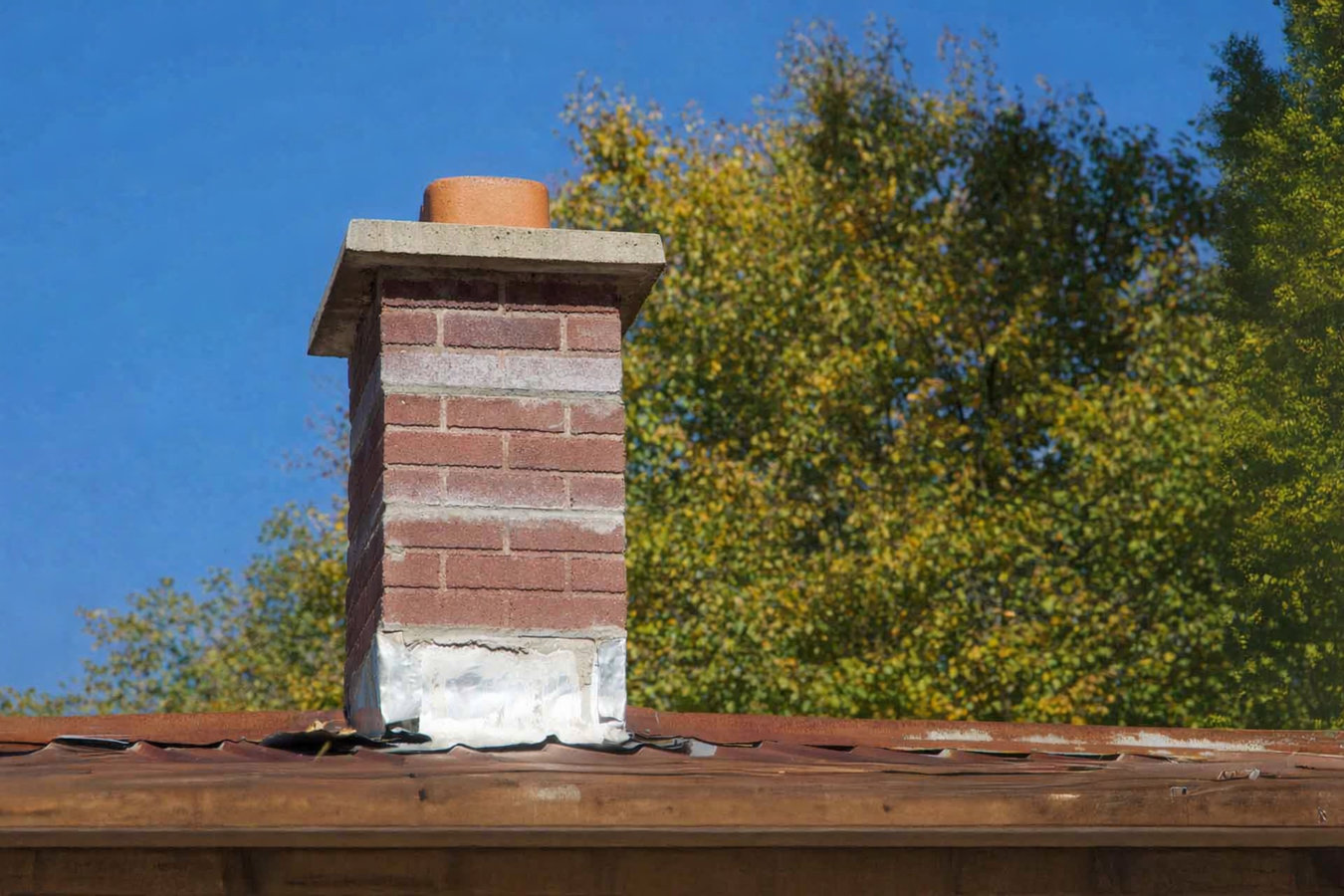
Crumbling mortar, spalling bricks, chimney gaps, and white staining are all signs your chimney has been losing the battle with Green Bay winters. We find the damage, fix the cause, and leave the mortar blended so the repair looks like it belongs there.
Chimney repair in Green Bay, WI covers everything from replacing crumbling mortar between bricks to rebuilding the top section of the chimney or addressing a flue liner that has cracked from years of use. Most jobs take one to three days, and many can be completed the same week you call. The work happens primarily on the exterior of your home, so your household stays uninterrupted throughout.
Green Bay's winters are rough on masonry. The city averages around 45 inches of snow per year and temperatures that regularly drop below zero - which means chimneys here go through dozens of freeze-thaw cycles every single winter. Water seeps into small cracks, freezes, expands, and makes those cracks bigger. Mortar that looks fine in October can be noticeably worse by April. If your home was built before 1970, the original mortar has had 50 or more Wisconsin winters working on it, and the chimney may not have the interior liner that modern safety standards call for.
Chimney repair often goes hand in hand with tuckpointing - the process of replacing worn mortar joints throughout the chimney's exterior - and with broader fireplace work, such as fireplace installation or liner replacement, when the interior needs attention too.
Chalky white streaks or patches on your chimney - called efflorescence - are a sign moisture has been moving through the masonry. In Green Bay, this often shows up after a wet spring or a heavy snow winter. It is not just cosmetic: water is getting in somewhere, and it needs to be sealed before the next freeze works it deeper into the brick.
Run your hand along the mortar joints on the accessible parts of your chimney. If the mortar feels soft, crumbles when pressed, or looks like it's pulling away from the bricks, it's time for tuckpointing. Green Bay's freeze-thaw cycles accelerate this wear - mortar that looks fine in fall can deteriorate significantly over a single hard winter.
If you can see daylight - or even a visible crack - between the chimney and the exterior wall, the chimney has shifted. This is more common in Green Bay than in many cities because of clay-heavy soils that expand and contract with moisture. A small gap lets in water, cold air, and pests, and it tends to grow if left unaddressed.
Finding chunks of brick or mortar inside your firebox or on the ground around the base of the chimney means something is breaking apart above. This is a clear sign the chimney needs a hands-on inspection - debris falling inside the flue can also block airflow and create a fire or carbon monoxide hazard.
We start every chimney job with an in-person inspection - no honest estimate can come from a phone call. We look at the outside of the chimney, the top section and cap, the firebox, and the interior flue. We may use a camera on a flexible cable to inspect the inside of the flue, which helps us spot cracks or liner damage that are invisible from ground level. After the inspection, we walk you through exactly what we found and what we recommend, in plain terms.
Our chimney repair work includes mortar joint replacement through tuckpointing for chimneys where the joints have deteriorated, brick spalling repair for bricks that have cracked or lost their face, chimney cap replacement to stop water from entering the top of the flue, chimney separation repair when the chimney has shifted away from the house wall, waterproofing treatments applied after repairs to slow future moisture intrusion, and interior assessments for older homes where a flue liner may not exist or may have cracked. For homeowners looking to add or restore a full fireplace alongside chimney work, our fireplace installation service covers that scope.
Best for chimneys with crumbling, recessed, or missing mortar between bricks.
For bricks where the face has cracked or flaked off from freeze-thaw pressure.
For chimneys where the top seal has cracked, shifted, or gone missing.
For chimneys that have shifted away from the house wall due to soil movement.
Chimney damage is a maintenance reality for most Green Bay homeowners, not an occasional concern. The combination of 45-plus inches of annual snowfall, temperatures that drop below zero, and repeated freeze-thaw cycles means the mortar between chimney bricks takes a serious beating every year. Brick spalling - when the face of a brick flakes or pops off - is also more common here than in warmer climates, because water gets into the pores of the brick and then freezes and expands. The Chimney Safety Institute of America recommends annual inspections for chimneys in climates with significant freeze-thaw cycling, which describes Green Bay's winters precisely.
The age of the housing stock is the other major factor. Communities like Green Bay and Howard have large numbers of homes built before 1970 with original brick chimneys that are now 50 to 80 years old. Many of those chimneys were built without the interior liner that keeps heat from reaching the wood framing of the house. Clay-heavy soils in Brown County also contribute by shifting under the chimney's foundation base, which is why chimney separation - a visible gap between the chimney and the house - is something we see regularly on service calls in this area.
When you reach out, we'll ask a few basic questions - how old is the home, when was the chimney last looked at, and what prompted you to call. We respond within 1 business day and schedule a time to come out in person, because no honest contractor can give you a real price without seeing what they're dealing with.
We look at the chimney from the outside, check the top and cap if safely accessible, and inspect the firebox and interior flue from inside. We may use a flexible camera to see inside the flue. After the inspection, we walk you through what we found in plain terms and give you a written estimate that spells out the work and the cost before anything is scheduled.
Most chimney work happens on the exterior, so you won't need to clear rooms or move furniture. The crew may work from ladders, scaffolding, or the roof depending on the scope. Mortar work is done by hand and takes time to do right - a thorough job may run most of a day or stretch into a second day. The area around your home is cleaned up when the crew is done.
Fresh mortar needs 24 to 48 hours to harden and cure before it can get wet or be exposed to freezing temperatures. We'll tell you exactly what to avoid during that window. A good repair also comes with guidance on when to schedule your next inspection so you stay ahead of future wear.
We respond within 1 business day - no obligation, no pressure. Submit the form and someone from our team will call to schedule a free in-person inspection at a time that works for you. We'll tell you exactly what we find and give you a written estimate before any work begins.
(920) 932-4097One of the most common complaints after chimney work is that the patched mortar looks wrong - too light, too dark, or obviously mismatched. We take the time to match the color and texture of your existing brickwork so the repair blends in rather than standing out as a patch.
We have been doing masonry and chimney work across Green Bay and the surrounding communities since 2018. We know which neighborhoods have the heaviest concentration of pre-1970 chimneys and what to look for in local clay-soil conditions that can cause chimney separation over time.
We do not skip the flue. For older Green Bay homes, the interior of the chimney is often where the most significant safety concerns are - cracked or missing liners, debris buildup, or damage that is invisible from ground level. We inspect the flue and tell you exactly what we find.
We are a state-licensed and fully insured masonry contractor in Wisconsin. Every job comes with a written estimate before work starts and a written scope of work you can keep. The National Fire Protection Association provides guidance on chimney safety standards that we follow on every project. Review their resources at nfpa.org.
Matching mortar, checking the flue, and putting everything in writing aren't extras - they're what separates a repair that lasts from one that needs to be redone in two winters. If you're comparing contractors, contact us and we'll answer your questions before you decide.
When mortar joints across the full chimney or exterior masonry have deteriorated, tuckpointing restores them systematically rather than spot-patching.
Learn MoreFor homeowners who want to restore a non-functional fireplace or add a new one alongside chimney repair work.
Learn MoreSpring is the best time to get chimney work done in Green Bay - call now before the summer schedule fills up.