
Loading...
Serving Green Bay, WI and surrounding areas. (920) 932-4097
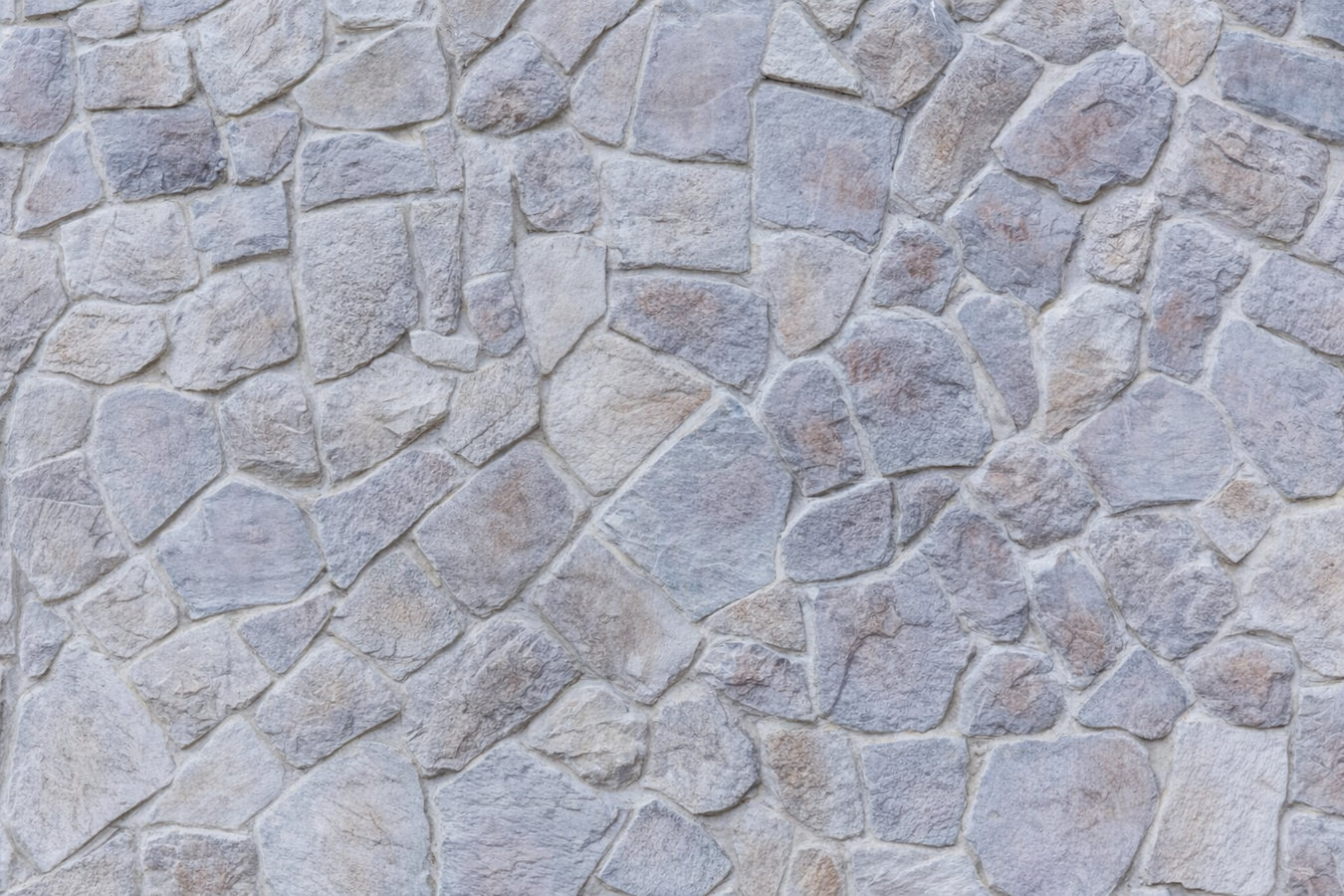
Crumbling stone joints and shifted steps get worse every winter - we repair, restore, and build new stonework that handles Green Bay's freeze-thaw cycles for decades.
Stone masonry in Green Bay covers new construction and repair work - from setting a proper base below the frost line for a retaining wall or front steps, to re-pointing crumbling joints and resetting stones that have shifted over decades of freeze-thaw cycles. Most small repair jobs take a single day. New construction projects, including walls, outdoor fireplaces, and larger patio features, typically run from a few days to two or three weeks depending on size and site conditions.
Green Bay averages more than 140 freeze-thaw events per year - each one pushes water into small mortar gaps, freezes it, and forces the crack a little wider. That cycle is the main reason mortar joints on older Green Bay homes deteriorate faster than in milder climates. Catching problems early, when the mortar is crumbling but the stone is still solid, almost always costs significantly less than waiting until stone has shifted or the structure needs to be rebuilt.
For homeowners whose stone surfaces need mortar repair alongside new construction, our brick pointing service handles joint repair across brick and stone alike - often the right starting point before investing in additional stonework.
Press your finger along the lines between stones. If mortar crumbles away, feels soft, or has fallen out in sections, water is already finding its way in. In Green Bay's winters that moisture freezes and widens the gap further with every cold snap. Early re-pointing is inexpensive. Waiting until stones start to shift is not.
If a step rocks when you stand on it, a wall section leans noticeably, or stones that used to be flush now stick out or sit lower than their neighbors, the structure has moved. Green Bay's frost heave - where frozen ground pushes upward in winter then settles in spring - is a common cause. Shifted stones are a trip hazard and a sign the base beneath needs attention.
That chalky white deposit is efflorescence - mineral salts left behind when water moves through the masonry and evaporates on the surface. It is a reliable sign that moisture has a pathway into the structure. Green Bay's wet spring thaws and repeated freeze-thaw winters make this a common early warning sign worth acting on before the damage progresses.
The top of a chimney takes more weather abuse than almost any other stone surface on a home. If you can see from the ground that the cap is cracked, stones are missing, or the mortar crown looks dark and deteriorated, water is likely getting inside the flue. A damaged chimney can allow moisture into the home structure and, in some situations, become a fire hazard - both reasons to have it inspected before another Green Bay winter.
We handle the full range of residential stone masonry in Green Bay - repair work on aging mortar and shifted stone, and new construction from the base up. Repair projects include mortar joint re-pointing, stone resetting, chimney crown repair, and step reconstruction. New construction work includes garden walls, retaining walls, outdoor fireplaces, front stoops, and decorative stone accents on home exteriors. For homeowners who want brick alongside stone, our masonry restoration service covers full exterior rehabilitation projects that combine both materials.
We work with natural stone - limestone, granite, and fieldstone - and with manufactured stone products for projects where weight or budget is a factor. Every base we set for structural work goes below the local frost line, and mortar is selected for above-grade or below-grade application based on what the project needs. When a permit is required through the City of Green Bay Building Inspection Division, we handle the application and scheduling - you do not have to figure it out yourself.
Best for homeowners whose stone chimney, foundation, or wall has crumbling mortar joints that need to be packed and sealed before water damage progresses further.
Best for homeowners with steps that rock, tilt, or have cracked over years of frost heave - often restorable without a full replacement if the stone itself is still sound.
Best for homeowners who need a new structural or decorative wall and want the long-term durability and character of natural or manufactured stone over wood or concrete block.
Best for homeowners who want a built-in stone fireplace, fire pit surround, or decorative accent that holds up through Wisconsin winters and does not require ongoing maintenance.
Green Bay averages well over 100 freeze-thaw cycles per year. That repeated movement - water getting into a gap, freezing, expanding, then thawing - is the primary reason mortar joints on stone structures here deteriorate faster than they would in milder climates. Any stone structure built with a footing that does not reach below the local frost depth will be pushed up and pulled down each season until it cracks. That extra excavation depth is not reflected in national pricing guides, which is why out-of-area bids sometimes look lower than local ones. A shallow footing is a shortcut that shows up as a problem within a few winters. Green Bay's clay-heavy glacial soils add another variable - they hold water and shift more than sandy soils, which means footing sizing and reinforcement need to account for local ground conditions specifically.
A significant share of Green Bay's neighborhoods were built between the 1920s and 1960s, and many of those homes have original stone foundations, chimneys, front stoops, and garden features. Stone from that era was often locally sourced with a character that is difficult to replicate exactly, and mortar from the period was softer and more flexible than modern mixes - which matters when doing repair work. Replacing old soft mortar with a harder modern product can crack the stone over time because the joint no longer flexes the way it was designed to. We work throughout the metro area, including Suamico and Howard, where new construction stonework and older home repairs are both a regular part of the job.
Tell us what you are seeing - where the stonework is, roughly how large the area is, and whether any stones have visibly shifted. We respond within one business day and schedule a free on-site visit. Spring books fast; calling early keeps your options open.
A mason will visit your property, inspect the stonework and the base beneath it, and ask about your goals - repair only, or new construction. You receive a written, itemized estimate before any commitment. If a permit is needed, we explain that at this stage.
Once you approve the estimate, we agree on a start date that works for you. You do not need to leave home. Clear the work area of furniture and planters; we handle everything else, including utility locating before any digging starts.
At the end of the job, we walk you through the finished work and explain the curing period - new mortar needs 24 to 48 hours before light use and up to 28 days to reach full strength. Avoid heavy loads and hard freezes during that window.
Free on-site estimate. Written price before any work starts. No obligation.
(920) 932-4097Green Bay's ground can freeze to roughly 48 inches in a hard winter. Every structural base we set goes below that depth. This is the detail that determines whether a wall or stoop stays level five years from now or starts cracking after the first spring thaw. It adds cost compared to a shallow footing, and it is worth it.
Many Green Bay homes were built with softer, lime-based mortar that flexes with the structure. Using modern hard mortar on older stone can crack the surrounding material because it does not move the way the original did. We match hardness and color to what is already there - so the repair blends in and holds up correctly.
Wisconsin requires residential contractors to register with the Department of Safety and Professional Services before working on homes. That registration is tied to insurance requirements and gives you a clear path to recourse if anything goes wrong. Ask any contractor you are considering for their registration number before you sign anything.
When your project requires a City of Green Bay building permit, we handle the application, coordinate the city inspection, and keep you informed throughout. An inspection means an independent set of eyes confirms the footing was built correctly - which protects your home's record if you ever sell.
Stone masonry built for Green Bay means accounting for frost depth, soil movement, and the character of older homes alongside the craft of the stonework itself. That is the combination we bring to every project in this area.
Mortar joint repair for brick and stone structures where the material between units has crumbled or opened up, before water damage progresses further.
Learn MoreFull restoration of deteriorated brick, stone, and mortar on older Green Bay homes, bringing weathered exteriors back to structural integrity and clean appearance.
Learn MoreCall us or request a free estimate online. We respond within one business day and get you a written price before any work starts.